New Technologies Transforming Commercial Kitchen Equipment
Introduction
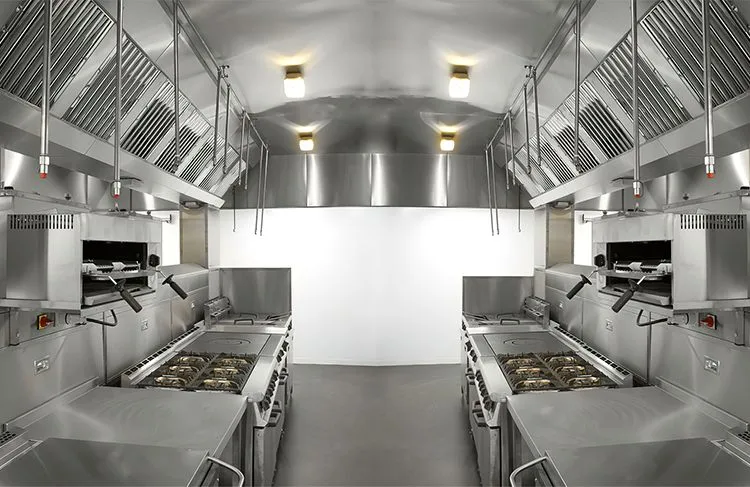
The commercial kitchen industry is undergoing a significant technological transformation. Driven by rising labor costs, increasing energy prices, stricter food safety regulations, and changing consumer expectations, Grace—a leading commercial kitchen equipment manufacturer—is introducing advanced technologies that redefine how professional kitchens operate. Today’s commercial kitchens are evolving from manual, labor-intensive environments into intelligent, efficient, and data-driven production spaces. While competitive pricing remains a factor, the industry is shifting its focus toward long-term value and technological ROI.
Smart and Connected Kitchen Equipment
One of the most impactful developments is the integration of smart technology into kitchen equipment. Internet-connected ovens, refrigerators, and dishwashers allow operators to monitor performance in real time, adjust settings remotely, and receive maintenance alerts. These systems improve operational control, reduce downtime, and ensure consistent food quality across multiple locations.
Automation and Labor-Saving Solutions
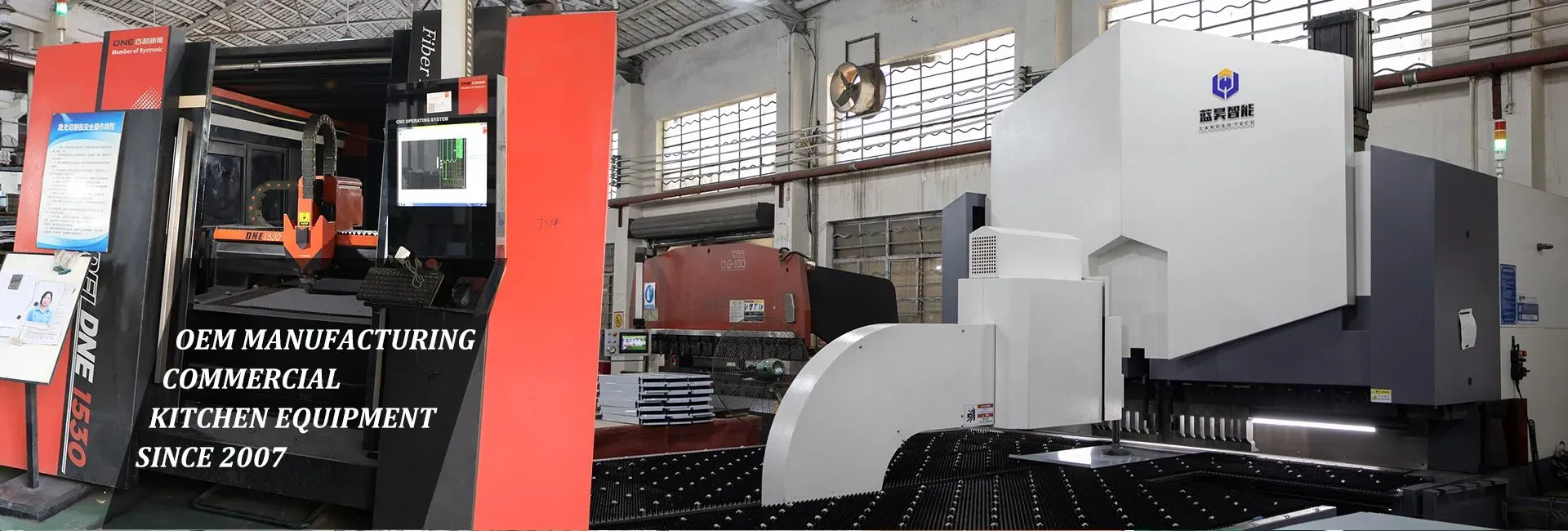
Labor shortages remain a major challenge for commercial kitchens. In response, the Grace is developing automated and semi-automated equipment such as robotic fryers, automated cooking stations, and programmable combi ovens. These technologies reduce reliance on skilled labor, simplify training, and improve consistency during high-volume service periods.
Automation also enhances workplace safety by minimizing direct contact with heat, oil, and sharp tools.
Advanced Cooking Technologies
New cooking technologies are improving speed, precision, and energy efficiency. Induction cooking systems provide rapid heat transfer with minimal energy loss, while advanced combi ovens combine steam, convection, and intelligent controls to deliver precise cooking results for a wide variety of menu items.
High-efficiency burners and heat recovery systems further reduce fuel consumption without compromising performance.
Energy Efficiency and Sustainability Innovations
Sustainability has become a core focus in commercial kitchen equipment development. ENERGY STAR–certified appliances, water-saving dishwashers, and low-emission ventilation systems help operators reduce environmental impact and operating costs.
Modern ventilation technologies use demand-controlled systems that adjust airflow based on cooking activity, significantly lowering energy usage while maintaining air quality.
Food Safety and Hygiene Technology
Food safety remains a top priority in commercial kitchens. New equipment designs incorporate touchless controls, antimicrobial surfaces, and advanced temperature monitoring systems. Automated logging of temperature and cleaning cycles supports regulatory compliance and reduces the risk of human error.
Smart refrigeration systems of the Grace can alert staff when temperatures deviate from safe ranges, preventing food waste and safety incidents.
Quality and safety measures are accepted by international standards. CE Or ISO 9001 We have obtained certification and demonstrate compliance with worldwide recognized manufacturing and regulatory practices.
Modular and Flexible Kitchen Design
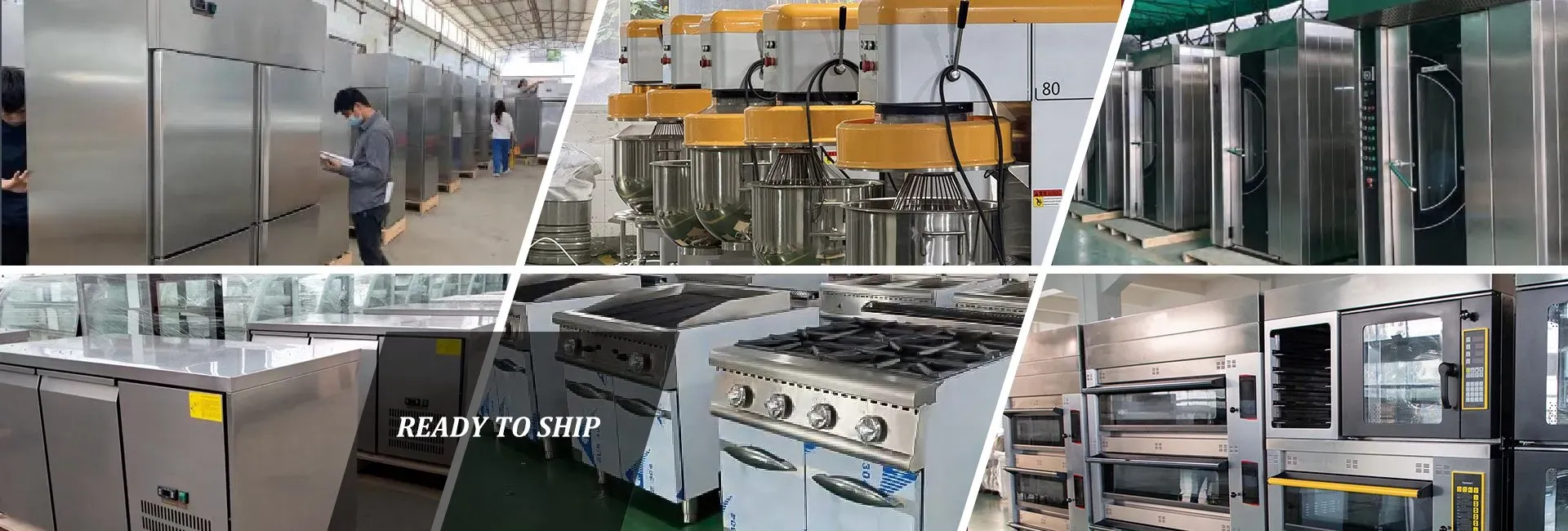
Technological innovation is also influencing kitchen design. Modular equipment systems and mobile workstations allow kitchens to adapt quickly to menu changes, seasonal demand, or new service formats such as delivery-only operations. This flexibility is particularly valuable for ghost kitchens and fast-growing restaurant brands.
The Future of Commercial Kitchen Equipment
Looking ahead, artificial intelligence and machine learning are expected to play a larger role in commercial kitchens. AI-driven systems may optimize cooking times, predict demand, and coordinate kitchen workflows. As technology continues to advance, commercial kitchen equipment will increasingly function as an integrated ecosystem rather than isolated machines.
Conclusion
New technologies are reshaping the industry, enabling higher efficiency, improved safety, and greater sustainability. Manufacturers like Grace that successfully integrate smart technology, automation, and energy-efficient design will lead the next generation of commercial kitchens, supporting a more resilient and competitive foodservice industry.
Answer: Absolutely. All our equipment, including Combi Ovens and Commercial Dishwashers, is manufactured to rigorous international standards. Depending on your market requirements, we provide CE, NSF, or ETL certifications. All food-contact surfaces are made of food-grade SUS304 stainless steel, ensuring maximum food safety and durability in heavy-duty commercial environments.
Answer: We offer deep customization services for global power grids. During the order confirmation phase, our engineers adjust the electrical configurations based on your local standards (e.g., 380V/50Hz 3-Phase or 220V/60Hz). For gas-powered equipment, we support Natural Gas (NG) or Liquid Propane (LPG) conversions and provide pressure-reducing valves that meet local regulations.
Answer: Yes, we can. Our professional kitchen solution team provides comprehensive design services. Simply provide us with your kitchen dimensions or floor plans, and we will deliver a detailed CAD equipment layout within 48 hours. Our designs prioritize optimized workflow—from receiving and storage to prep, cooking, plating, and warewashing—to maximize your operational efficiency and reduce labor costs.
Answer: We provide a 24-month global warranty on all core components. Each shipment includes a wear-and-tear parts kit (e.g., gaskets, heating elements) at 1-2% of the order value. For technical issues, we offer 24-hour remote video diagnostics. If urgent parts are needed, we utilize express couriers like DHL/FedEx to ensure your kitchen operations face minimal downtime.
Answer: Yes, we have extensive experience as an OEM partner for several international catering brands. Whether you need laser-etched branding, specific dimension adjustments, or functional modifications tailored to a particular cuisine, our R&D team is equipped to support your brand’s expansion with flexible manufacturing solutions.